
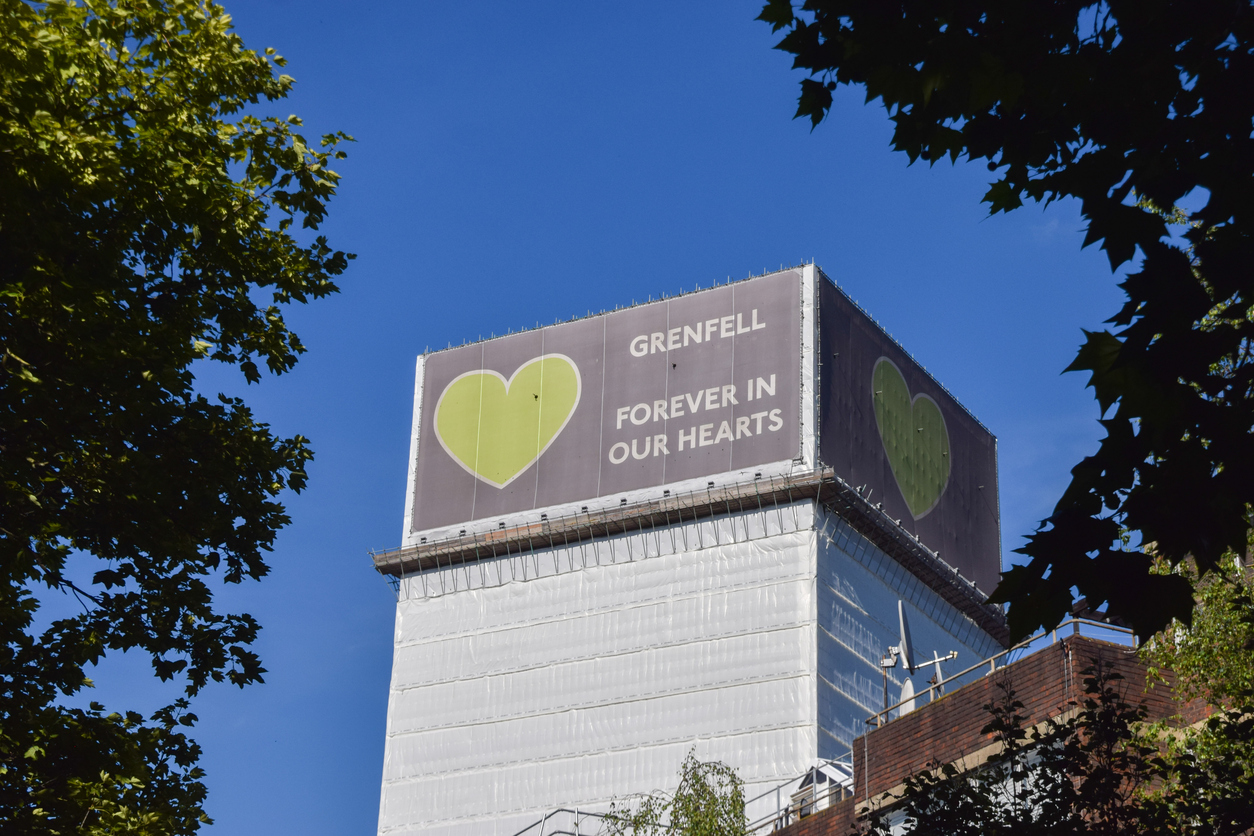
The release of the final report from the Grenfell Tower Inquiry, led by Sir Martin Moore-Bick, marks a significant moment in the journey toward justice following the devastating 2017 fire that claimed 72 lives. The report provides critical insights into the systemic failures that led to the tragedy and delivers a scathing critique of successive governments, the construction industry, and fire safety regulators. These findings are essential for environmental and construction safety reform, with lessons that resonate far beyond this single event.
Key Findings and Accountability
The inquiry’s findings are damning, particularly regarding the use of combustible cladding, which was central to the fire’s rapid spread. The report highlights how this cladding, inadequate safety measures and poor governance transformed what should have been a manageable fire into an unprecedented disaster. One of the most haunting conclusions is that all 72 deaths were avoidable(ITVX,LabourList). The inquiry found that repeated warnings about the dangers of flammable cladding went unheeded for over a decade, starting from the 1991 Knowsley Heights fire. Multiple governments failed to amend building regulations or enforce safety measures that could have prevented the Grenfell tragedy(ITVX).
The construction industry also faces significant criticism, with evidence of deliberate misconduct. Key companies, including the cladding manufacturer Arconic and the Building Research Establishment (BRE) testing body, were found guilty of systematic dishonesty and manipulated safety tests(ITVX). This culture of cost-cutting and profit over safety is a harsh reminder of the dangers posed by deregulation in high-risk environments.
A Broader Context of Neglect
The report underscores that Grenfell was not an isolated incident but the culmination of decades of failures. It identifies a “persistent indifference” to fire safety by the Kensington and Chelsea Tenants Management Organisation (TMO) and local authorities. These bodies ignored residents’ concerns, opting instead for cheaper and more dangerous materials during the building’s refurbishment(LabourList). This toxic environment of negligence contributed to the loss of trust between residents and their representatives, further deepening the tragedy.
Moreover, the inquiry places responsibility on the government for its role in fostering a culture of deregulation. Successive administrations, particularly after the 2009 Lakanal House fire, adopted a deregulatory stance that weakened fire safety standards. This laissez-faire approach created gaps in the regulatory framework, allowing unsafe practices to proliferate(ITVX).
Recommendations for Reform
The Grenfell Inquiry does not stop assigning blame but calls for comprehensive reforms. Key recommendations include establishing an independent body to oversee fire safety and construction product testing and a licensing scheme for contractors working on high-risk buildings(ITVX). The report advocates for protecting the profession of fire engineers and improving the London Fire Brigade’s preparedness for high-rise fires, an area where significant failings were noted LabourList,Mynewsdesk).
One of the most crucial reforms suggested is a review of the materials used in building refurbishments and the strengthening of fire safety regulations. The inquiry stresses that future tragedies can only be prevented if the construction industry is held to higher standards of accountability and transparency.
The Path to Justice
While the report is a vital step toward ensuring such a disaster never happens again, the survivors and families of those lost remain deeply affected. For many, this report represents a significant chapter in the pursuit of justice, but it is not the final word. The Metropolitan Police investigation continues, with the possibility of criminal charges being considered based on the inquiry’s findings. This process, however, is expected to take another 12 to 18 months(Mynewsdesk).
As environmental and safety advocates, the lessons from Grenfell must drive immediate and sustained change. The report’s emphasis on regulatory reform and corporate accountability is critical to prevent future fires and ensure that profit-driven motives do not compromise environmental safety. In remembering Grenfell, we are reminded that safety is a non-negotiable right, and the price of ignoring it is far too high.
The final Grenfell report is a clarion call for reform across multiple sectors, from government policy to construction practices. Its findings demand that public safety be prioritised over deregulation and corporate interests. For environmental and safety advocates, this report provides a roadmap for pushing systemic change, ensuring that the tragedy of Grenfell is never repeated.